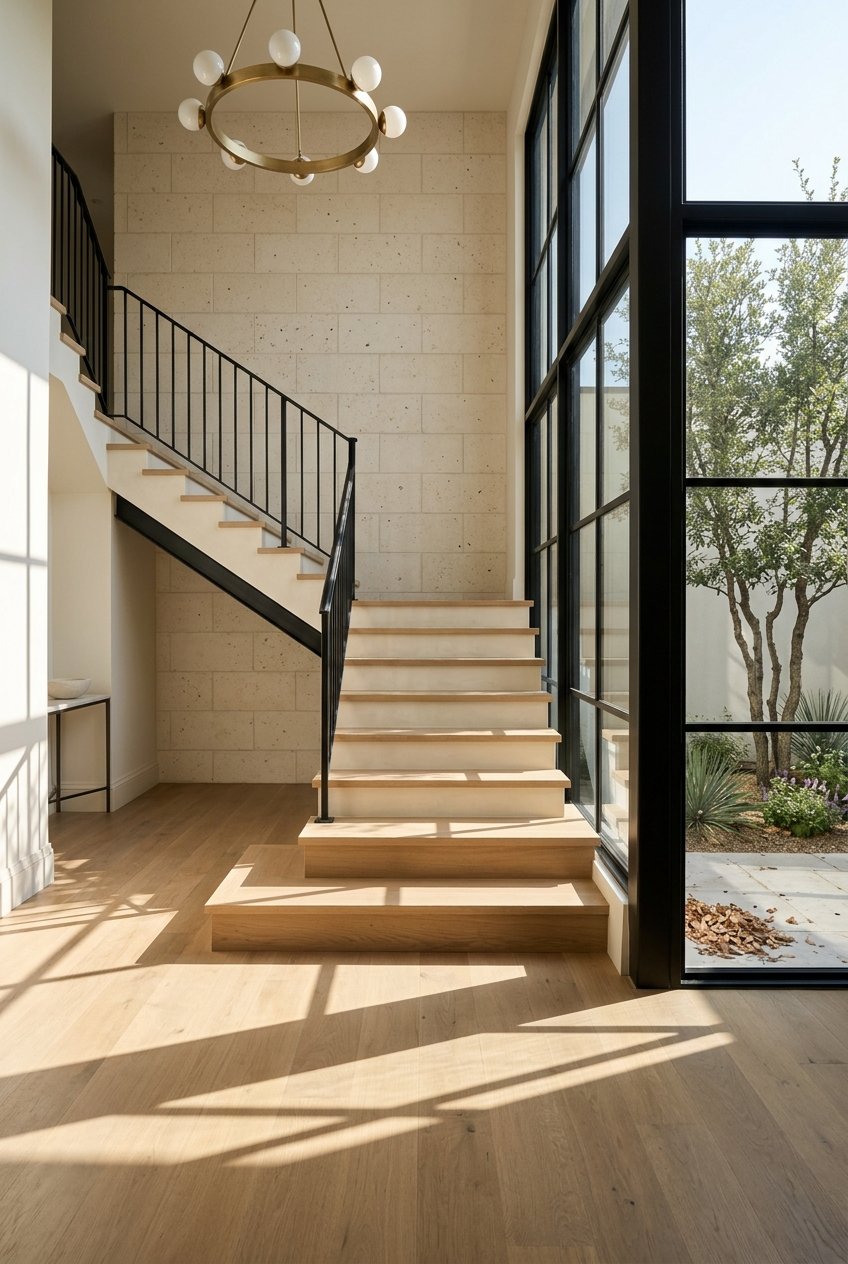
Dreaming about a Hill Country getaway in Spicewood? It is easy to get swept up by lake views, big skies, and the idea of a weekend retreat that feels worlds away from Austin. But in Spicewood, the smartest purchase decisions usually come down to practical details like access, utilities, shoreline rules, and lot usability. If you are considering buying here, this guide will help you look past the view and evaluate a property with more confidence. Let’s dive in.
Why Spicewood Feels Different
Spicewood is not one uniform neighborhood with one predictable housing style. The area is better understood as a Lake Travis and Hill Country place-name that can include parts of western Travis County along with nearby communities tied to the Spicewood post office.
For you as a buyer, that means the market may include lakefront homes, homes in association-managed subdivisions, and more semi-rural properties with land. Instead of comparing one standard suburban product to another, you often need to evaluate each property on its own terms.
That is part of the appeal. Spicewood offers a retreat-style setting shaped by Lake Travis, rolling terrain, and outdoor access. Pace Bend Park alone spans 1,368 acres and offers more than nine miles of shoreline and two boat ramps, which helps explain why buyers are drawn to the area for recreation and long-term lifestyle value.
Start With the Lot, Not Just the House
When you buy a Hill Country retreat in Spicewood, the lot deserves as much attention as the home itself. In many cases, the land will shape what you can build, improve, access, and insure over time.
In unincorporated Travis County, development is permit-driven. Depending on the property, a single-family project may involve county development review, a driveway permit, and an on-site sewage facility permit if the home is not connected to sewer.
That process alone tells you something important. A Spicewood purchase is often part home purchase and part land-planning exercise. You want to know how the property functions before you assume it is simple to use or improve.
Questions to Ask About Access
Road access is one of the first things to verify. A driveway connection may be handled differently depending on whether the road is county-maintained, state-maintained, or unmaintained.
If the driveway connects to a maintained county road, Travis County requires a residential driveway permit. If the road is state-maintained, the process may involve TxDOT instead.
You also want to know whether the driveway design meets local standards. Depending on the site, the approach may require a culvert, a dip-style crossing, or a straight tie-in based on drainage, grade, and frontage conditions.
Questions to Ask About the Land
Lot usability can change quickly in the Hill Country. Slopes, drainage patterns, floodplain boundaries, and setbacks can all affect what you can do with the property.
County applications for septic and related site work call for plans that show boundaries, easements, drainage features, slopes, floodplain status, nearby lakes and creeks, and utility locations. That is why it helps to review a lot with the same level of care you would give a future building site.
Here are a few practical questions to work through before closing:
- Is the property on sewer, or will it need an on-site sewage facility?
- Is there enough usable area for septic, setbacks, and any future improvements?
- Are there slope or floodplain issues that limit the building envelope?
- Have water, sewer, and utility easements been clearly identified?
- If major digging is planned, has the utility provider inspected the site where needed?
Understand Lake Travis Before You Buy Waterfront
A waterfront or water-view retreat can be incredibly appealing, but Lake Travis does not behave like a constant-level lake. It is a water-supply reservoir, and water levels can fluctuate significantly.
LCRA states that Lake Travis is full at 681 feet above sea level, and the Highland Lakes fluctuate by design. For you, that means shoreline usability, water access, and even the look of the view may change over time.
This is one of the biggest mindset shifts for buyers coming from more predictable waterfront markets. In Spicewood, you are not just buying what the lake looks like on showing day. You are buying into a property that will experience changing conditions.
Public Lake Access Near Spicewood
Even if you do not buy direct waterfront, public access can still be part of the lifestyle. Around Spicewood, public access areas listed by Texas Parks and Wildlife include Narrows Recreation Area, Grelle Recreation Area, Pace Bend/Collier Cove, and Pace Bend/Tatum Cove.
That said, access is meaningful but not unlimited. LCRA also notes that some boat ramps in the Spicewood area require minimum lake levels and may become unusable when the water drops.
If boating matters to you, it is wise to treat ramp access as a current-condition question, not a permanent assumption.
Dock Rights Are Separate From Ownership
One of the most important waterfront diligence items is dock rights. Owning lakefront property does not automatically mean you have the right to build a dock.
According to LCRA, most shoreline around the Highland Lakes is privately owned, and buyers need to verify submerged-land ownership through county records or obtain permission from the landowner. Residential docks on Lake Travis must also meet LCRA safety standards.
There are physical limits too. LCRA states that the maximum dock extension from the shoreline is 100 feet, and docks in coves must leave at least 40 feet of lake access.
For part-time owners, LCRA specifically advises considering a qualified dock contractor because the lake rises and falls. That is especially relevant if your Spicewood property will be more of a second home or seasonal retreat.
Shoreline Work May Need Approval
Buyers sometimes assume they can clear brush, repair retaining features, or tidy exposed lakebed areas whenever the water is low. In reality, shoreline maintenance can trigger rules and notifications.
When Lake Travis is below 676 feet, LCRA allows certain lakebed clearing and repair activities, but notification and additional authorization may be required depending on the work. If shoreline upkeep is part of your vision for the property, it is smart to verify those rules before you close.
Check Utilities Address by Address
Utilities in Spicewood are often more localized than buyers expect. Instead of one citywide system, service may depend on the subdivision or the exact property address.
For example, Windermere Oaks Water Supply Corporation serves as a separate local water system in part of the area, and a Spicewood-area property owners association lists Pedernales Electric Co-op as the electric provider. Those details matter because utility setup can affect convenience, upgrade planning, and future resale.
Internet service also deserves a close look. In a retreat market, buyers often assume remote work capability is available, but actual service can vary. The most reliable way to check is by exact address using the FCC National Broadband Map, since availability is location-specific.
Think About Safety, Access, and Year-Round Use
A Hill Country retreat should feel relaxing, but it should also be practical in different conditions. Fire and flood exposure are part of the buying decision in unincorporated areas of Travis County.
The Travis County Fire Marshal handles fire code enforcement in unincorporated areas, and the county notes that the 2021 Fire Code is in effect countywide as of January 1, 2026. Burn-ban status can also change, so you do not want to assume outdoor use rules stay the same year-round.
Floodplain jurisdiction in Travis County is limited to unincorporated areas as well. That is why it is worth confirming flood zone, road access, and local emergency service coverage before you decide a property is truly turnkey.
Why Resale Still Matters for a Retreat
Even if you plan to keep your Spicewood property for years, resale should still be part of the conversation. A retreat home is a lifestyle purchase, but future buyers will ask many of the same practical questions you should ask now.
In general, the properties that create less friction are the ones with documented lake access rights, straightforward county access, clear utility service, and minimal ambiguity around septic, floodplain, or shoreline permissions. Those are not flashy features, but they can make a major difference in long-term usability and marketability.
This is where a construction-informed lens can be especially helpful. In a market like Spicewood, you are not only evaluating finishes and views. You are also evaluating how the property works behind the scenes and how easily another buyer could understand and accept it later.
A Smart Buying Approach in Spicewood
If you are considering buying a Hill Country retreat here, a calm and methodical approach usually pays off. The goal is not to avoid unique properties. It is to understand exactly what makes a property special, what makes it complicated, and whether those two things align with your plans.
A strong evaluation process often includes:
- Reviewing road access and permit requirements early
- Confirming septic, sewer, water, and utility service by address
- Verifying floodplain, slope, and drainage constraints
- Understanding current and potential lake access
- Separately confirming dock and shoreline rights where applicable
- Looking at the property through both a lifestyle and resale lens
Spicewood can be an exceptional place to own a retreat property. The buyers who feel best about their purchase are usually the ones who fall in love with the setting and do the practical work upfront.
If you want experienced guidance on evaluating a Spicewood retreat, from lot questions to long-term usability and resale considerations, connect with Chris Krueger for thoughtful, construction-informed support.
FAQs
What makes buying in Spicewood different from buying in a typical subdivision?
- Spicewood often includes a mix of lakefront homes, subdivision properties, and semi-rural parcels, so you may need to evaluate access, utilities, septic, and land usability more closely than you would in a more standardized neighborhood.
What should you verify about a Spicewood lot before closing?
- You should confirm road type, driveway permit needs, septic or sewer service, utility easements, floodplain status, slope constraints, and whether the lot can support your intended use.
What should waterfront buyers know about Lake Travis in Spicewood?
- Lake Travis is a fluctuating water-supply reservoir, so shoreline usability, boat access, and even the look of the waterfront can change over time.
Do lakefront homes in Spicewood automatically include dock rights?
- No. LCRA states that owning lakefront property does not automatically give you the right to build a dock, so dock rights and submerged-land ownership should be verified separately.
How do you check utility availability for a Spicewood retreat property?
- Utility service is often address-specific, so you should confirm water, electric, sewer or septic, and internet availability based on the exact property rather than relying on general area assumptions.
Why does resale matter when buying a Spicewood Hill Country retreat?
- Even if the home is primarily for personal use, clearer access, utility service, lake rights, and fewer permit or land-use questions can make the property easier to enjoy now and easier to sell later.