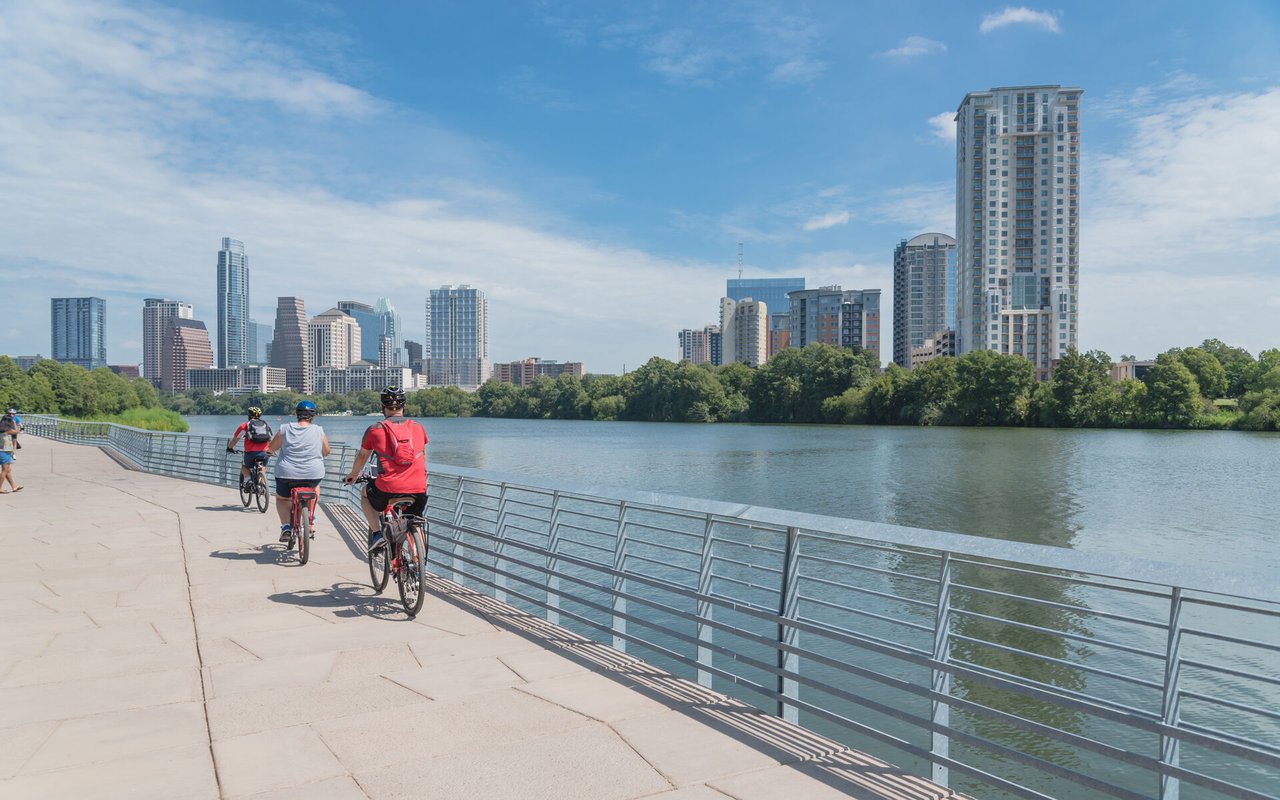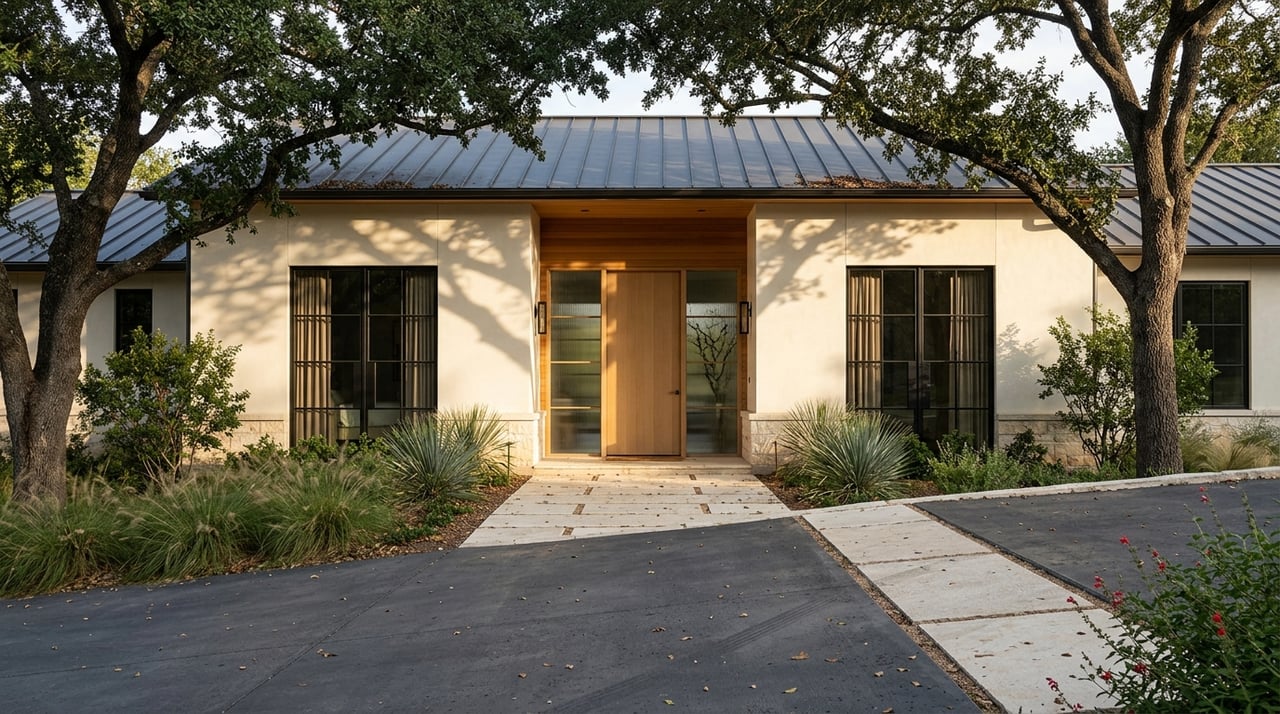
Trying to choose between West Lake Hills, Lake Austin, Barton Creek, and Tarrytown? You are not comparing four versions of the same place. You are comparing four very different ways to live in West Austin, each with its own rhythm, setting, and tradeoffs. If you want to narrow the field with more clarity and less guesswork, this guide will help you see how West Lake Hills stacks up and which lifestyle may fit you best. Let’s dive in.
What West Lake Hills Is
West Lake Hills is a small incorporated city just a few miles west of downtown Austin. According to the city, it covers about 4 square miles, has roughly 3,444 residents, and includes around 200 businesses.
That small scale shapes the experience. West Lake Hills often feels quiet, wooded, and tucked away, even though you are still close to central Austin. If you want a more protected residential feel instead of a busier urban pattern, that distinction matters.
How West Lake Hills Feels Different
West Lake Hills stands out for its rugged terrain, dense tree cover, privacy, and low-density residential character. The city’s master plan emphasizes preserving woods, creeks, wildlife, views, and a rural Hill Country feel.
In practical terms, this means many homesites feel shaped by the land itself. You often see steep topography, winding roads, and homes positioned for privacy rather than tight neighborhood uniformity. For many buyers, that creates a sense of retreat that is hard to replicate in more central parts of Austin.
West Lake Hills vs Lake Austin
Lake Austin Is a Waterfront Corridor
Lake Austin is not a single neighborhood. It is a reservoir corridor on the Colorado River, with dense shoreline development and a lifestyle built around the water.
That makes the comparison with West Lake Hills pretty straightforward. If West Lake Hills is about wooded privacy and elevation, Lake Austin is about shoreline access, boating, paddling, and waterfront ownership.
Lifestyle Differences Matter Most
In West Lake Hills, the natural draw is the hill-country setting and adjacency to protected land such as Wild Basin Wilderness Preserve and the Balcones Canyonlands Preserve system. In Lake Austin areas, the water itself is the center of daily life.
If you picture weekends on the boat, private dock improvements, or direct shoreline living, Lake Austin may be the better fit. If you picture canyon views, dense trees, and a more secluded hillside setting, West Lake Hills usually aligns better.
Ownership Experience Is Different Too
Lake Austin ownership often comes with a more regulation-heavy waterfront context. The City of Austin manages shoreline improvements such as boat docks, slips, and access features through separate permitting rules.
West Lake Hills, by contrast, is less about waterfront infrastructure and more about lot orientation, terrain, privacy, and preserving the site’s natural character. For some buyers, that feels simpler. For others, the water access is worth the added complexity.
West Lake Hills vs Barton Creek
Barton Creek Is Broader and More Amenity-Driven
Barton Creek is not one compact neighborhood in the same sense as West Lake Hills. It is a broader area shaped by large-lot subdivisions, golf-course land, greenbelt access, and commercial nodes along major corridors.
That gives Barton Creek a different identity. It tends to feel more spread out, more resort and golf oriented, and in some pockets more open than the wooded, enclosed feel you often get in West Lake Hills.
Home Patterns Are Similar in Some Ways
Both areas can appeal to buyers who want larger lots and a more estate-like setting. Barton Creek includes rural upper-basin land, large-lot residential properties, and subdivisions with one-acre or larger lots in some sections.
Still, the texture is different. West Lake Hills is more topography-driven and privacy-focused, while Barton Creek often combines larger homesites with golf-adjacent living and easier access to destination retail and major roads like Loop 360 and Highway 71.
Recreation Has a Different Focus
West Lake Hills leans into preserved natural character and a quieter hill-country atmosphere. Barton Creek has a stronger recreation profile if your priorities include hiking, greenbelt use, golf, and club-centered amenities.
The Barton Creek Greenbelt offers more than 12 miles of trails, swimming holes, cliffs, and protected habitat. Nearby recreation assets also connect the area to Barton Springs and Zilker-area trail systems, giving Barton Creek a more active outdoor mix than West Lake Hills.
West Lake Hills vs Tarrytown
Tarrytown Is the Most Central
Tarrytown is the clearest contrast to West Lake Hills because it feels the most like a classic central Austin neighborhood. It sits west of downtown, close to the University of Texas, and includes a mix of historic homes, bungalows, estates, remodels, and newer infill.
If West Lake Hills feels secluded and terrain-led, Tarrytown feels established, connected, and woven into city life. You usually trade some privacy and lot size for convenience, street connectivity, and a more traditional neighborhood fabric.
Lot Sizes and Housing Stock Differ
West Lake Hills is known for larger, more private lots in many areas, with an emphasis on single-family detached homes and low density. Tarrytown has a broader housing mix and more urban lot patterns.
That means your home search experience can look very different. In Tarrytown, you are more likely to compare older homes, renovations, and infill opportunities on established streets. In West Lake Hills, you are more likely to evaluate topography, site planning, tree cover, and how a home sits on the land.
Daily Convenience Favors Tarrytown
Tarrytown is the most convenience-oriented of these four options. Its neighborhood plan highlights a pedestrian- and cyclist-friendly street network, civic uses, neighborhood-serving shopping, and easy access to nearby park and lake amenities.
West Lake Hills is still close in, but the city’s master plan notes that daily life is corridor-dependent, with Bee Cave Road, Westbank Drive, and Westlake Drive serving as key routes. It is a short-hop location, but it is still very much car oriented.
Home Types and Lot Character
West Lake Hills Homes
West Lake Hills is strongly defined by low-density single-family homes, wooded sites, and terrain-sensitive development. The city’s master plan calls for minimum one-acre lots in the residential area and encourages careful site planning to reduce clearing and preserve privacy.
If you value a home that feels set apart from neighbors and shaped by the Hill Country landscape, this is a major advantage. It can also mean more variation in driveway approach, elevation change, and lot usability from one property to the next.
Lake Austin Homes
Lake Austin homes are defined first by their relationship to the shoreline. The appeal is less about neighborhood consistency and more about frontage, views, dock potential, and access to the water.
For some buyers, that is the ultimate West Austin lifestyle. For others, the corridor-based nature of the area and the specifics of each shoreline site make it a more specialized search.
Barton Creek Homes
Barton Creek offers a mix of large-lot residential pockets, golf-oriented communities, and estate-style settings. In many areas, it feels more expansive than West Lake Hills and more amenity-centered.
If you want space plus golf or club access, Barton Creek often rises to the top. If you want a more wooded, tucked-away setting close to central Austin, West Lake Hills usually feels more aligned.
Tarrytown Homes
Tarrytown delivers a broader housing mix than the other areas in this comparison. You will find older homes, remodeled properties, estate homes, and newer construction woven into an established neighborhood grid.
That can be appealing if you want central location and character. It is less ideal if your priority is a larger lot with a stronger sense of separation from surrounding homes.
Nature, Recreation, and Daily Rhythm
West Lake Hills Daily Life
West Lake Hills is best for buyers who want nature to feel embedded in everyday life. The city’s planning documents consistently focus on preserving the wooded environment, creeks, wildlife, and rural character.
This creates a calm, residential rhythm. You are near Austin, but your immediate environment often feels more like a hill-country retreat than a city neighborhood.
Lake Austin Daily Life
Lake Austin daily life revolves around the water. Boating, paddling, shoreline use, and lake access shape the experience more than trailheads or neighborhood retail.
If your version of outdoor living starts with the dock, this is the standout option. It is less about the neighborhood pattern and more about the lake itself.
Barton Creek Daily Life
Barton Creek blends outdoor access with destination amenities. You get strong connections to trails and greenbelt recreation, along with golf-oriented living in many sections.
This combination can be especially attractive if you want an active lifestyle and more resort-style surroundings. It feels broader and more mixed-use than West Lake Hills.
Tarrytown Daily Life
Tarrytown offers a more integrated city lifestyle with park access, lake proximity, neighborhood retail, and civic amenities. Nearby assets include places like Walsh Boat Landing, Red Bud Isle, Mayfield Park, and Deep Eddy Pool.
That makes Tarrytown feel convenient and connected without losing its established residential character. It is greener than many central neighborhoods, but it does not offer the same secluded hillside feel as West Lake Hills.
Commute and Convenience
West Lake Hills Access
West Lake Hills has the advantage of being close to downtown Austin. At the same time, the city notes that traffic congestion along Bee Cave Road is a recurring concern, and the area’s topography makes mass transit more difficult.
So while the location is close in, daily movement still depends heavily on driving. For many buyers, that is an acceptable trade for privacy and setting.
Lake Austin Access
Lake Austin commute patterns depend heavily on exactly where you are along the shoreline corridor. Street access, bridge proximity, and location along the lake can all change the experience.
That means it is harder to generalize. One property may feel surprisingly convenient, while another may feel much more tucked away.
Barton Creek Access
Barton Creek is also drive oriented, but it benefits from major road connections and destination retail. The area includes major commercial nodes and Barton Creek Square, which the city identifies as its largest indoor shopping center with more than 180 specialty shops and eateries.
If errands and retail convenience matter, Barton Creek can feel highly practical. It is not particularly walkable, but it does offer strong access to major destinations.
Tarrytown Access
Tarrytown is the easiest fit if centrality and day-to-day convenience are high priorities. Its street network, neighborhood center, and proximity to downtown make it the most obviously connected and urban-friendly of the four.
For buyers who want a shorter path to daily services and a more neighborhood-based routine, Tarrytown often stands apart. West Lake Hills appeals more when you are willing to trade some of that convenience for privacy and land.
A Simple Buyer Framework
If you are deciding where to focus, this quick framework can help:
- Choose West Lake Hills if you want a small incorporated city, a protected wooded feel, larger private lots in many areas, and a strong hill-country setting close to central Austin.
- Choose Lake Austin if you want waterfront living, boating access, and a home where the water is the main lifestyle feature.
- Choose Barton Creek if you want large-lot or estate-style living with golf-oriented amenities and especially strong access to trails and greenbelt recreation.
- Choose Tarrytown if you want a classic central Austin neighborhood feel, a broader mix of home styles, and easier access to downtown, parks, and neighborhood-serving amenities.
Why West Lake Hills Often Wins
West Lake Hills often rises to the top for buyers who want close-in West Austin living without a dense urban pattern. It offers a rare mix of proximity, privacy, terrain, and preserved natural character.
It is not the best choice for every lifestyle. But if you value wooded surroundings, larger homesites, and a setting that feels calm and tucked away, West Lake Hills occupies a lane of its own in West Austin.
When you are comparing these enclaves, the smartest move is to look beyond status and focus on fit. If you want help sorting through homesites, construction quality, resale implications, and day-to-day livability across West Austin, Chris Krueger can help you narrow the options with clear local insight.
FAQs
How is West Lake Hills different from Lake Austin for homebuyers?
- West Lake Hills is a small incorporated city known for wooded privacy, rugged terrain, and low-density residential character, while Lake Austin is a shoreline corridor centered on waterfront living, boating, and lake access.
How is West Lake Hills different from Barton Creek for lifestyle?
- West Lake Hills generally feels more secluded, wooded, and close in, while Barton Creek feels broader and more amenity-driven, with golf-oriented living, greenbelt access, and major commercial nodes along key roads.
How is West Lake Hills different from Tarrytown for daily convenience?
- Tarrytown is more central and neighborhood-convenient, with easier access to downtown, parks, and local services, while West Lake Hills offers more privacy and natural setting but is more car dependent.
What kinds of homes are common in West Lake Hills?
- West Lake Hills is defined by low-density single-family homes on larger lots in many areas, with wooded sites, elevation changes, and site planning that aims to preserve privacy and the natural landscape.
Which West Austin enclave is best for outdoor recreation?
- The best fit depends on the type of recreation you want: West Lake Hills suits buyers who want a preserved hill-country setting, Lake Austin suits water recreation, Barton Creek stands out for trails and golf, and Tarrytown offers parks and lake-edge access tied closely to city life.
Is West Lake Hills close to downtown Austin?
- Yes, West Lake Hills is only a few miles west of downtown Austin, but daily travel is still largely car oriented and often shaped by key corridors like Bee Cave Road, Westbank Drive, and Westlake Drive.