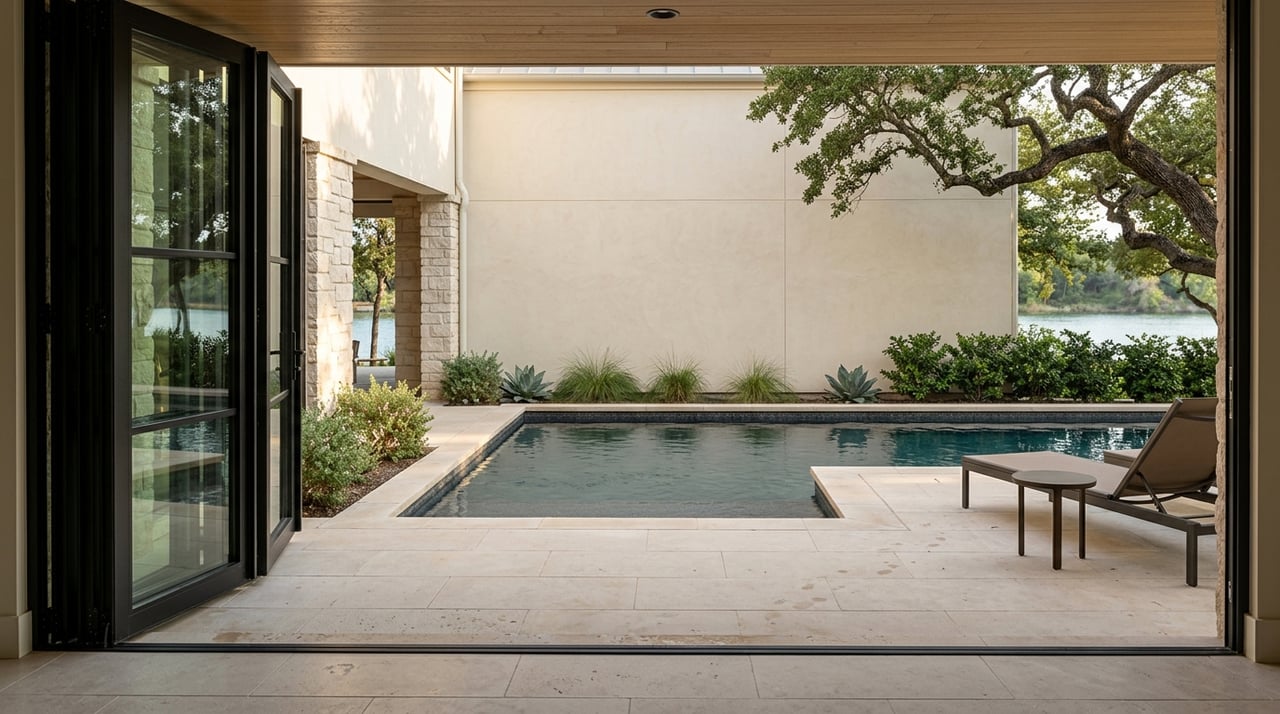
If you picture Lake Austin living as endless public shoreline, easy drop-in boating, and a resort-style routine, Westlake may surprise you. This stretch of the lake is beautiful and highly usable, but it is also private, regulated, and shaped by the land itself. If you are thinking about buying here, it helps to understand what daily life actually feels like before you fall in love with the view. Let’s dive in.
Lake Austin Feels Private by Design
Lake Austin is a 1,830-acre, 20.25-mile reservoir on the Colorado River, and it functions differently from a wide-open recreational lake. Austin Watershed describes it as a narrow, pass-through lake that is kept at a constant water level and serves as a major drinking-water source.
That matters because the lifestyle here is less public and casual than many buyers expect. Texas Parks and Wildlife notes that almost all of the shoreline is privately owned, so bank access is limited and the waterfront experience is closely tied to where and how you access the lake.
In West Lake Hills, that private feel carries into the surrounding community. The city has about 3,444 residents, roughly 1,000 homes, and about 40 miles of public streets, which gives it a compact, residential character rather than a sprawling suburban feel.
Westlake Has an Enclave-Like Rhythm
West Lake Hills sits west of downtown Austin in central Travis County and is surrounded by Austin and Rollingwood. The combination of hills, limited shoreline access, and a relatively small road network creates a setting that feels tucked in and destination-oriented.
This is one of the biggest mindset shifts for buyers coming from more conventional neighborhoods. You are not stepping into a master-planned lake community with broad public waterfront access and a dense street grid. You are stepping into a low-density area where the lake, the lot, and the route in and out all shape everyday life.
Local infrastructure also stays part of the conversation. City updates continue to track major corridor work, including Loop 360 projects, which reinforces how important a few main routes are for commuting and errands.
Lake Recreation Is Real, but It Takes Planning
One of the best parts of Lake Austin living is that the water can be part of your actual routine, not just your view. Boating, paddleboarding, kayaking, and lakeside dining are all part of the appeal, especially during warm-weather months.
But lake access is not friction-free. APD Lake Patrol notes that Lake Austin has no curfew, while also enforcing no-wake areas and standard boating safety rules. Children under 13 must wear a life jacket while underway, and paddleboards, kayaks, and canoes must have a life jacket readily accessible.
The City of Austin has also identified no-wake zones around Pennybacker Bridge and immediately upriver of Tom Miller Dam near Oyster Landing Marina and Walsh Boat Landing. Those rules are there to reduce congestion and collisions, which tells you something important about the lake: it is active, but it is also closely managed.
Public Access Exists in Specific Places
If you do not own a waterfront property with direct access, you will likely use a handful of known launch sites and parks. Texas Parks and Wildlife lists these access points on Lake Austin:
- Walsh Boat Landing
- Loop 360 ramp
- Emma Long Park
- Commons Ford Park
- Mary Quinlan Park
- Selma Hughes Park
- Fritz Hughes Park
These spots make the lake accessible, but not effortless. Walsh Boat Landing has a launch fee, Emma Long Park requires pre-purchased day passes during peak-season Fridays, Saturdays, Sundays, and holidays from March through September, and Ski Shores notes that both parking and boat slips are limited.
Weekend Use Can Be Destination-Based
This part of the market often works best for buyers who do not mind planning ahead. If your ideal lake day means spontaneous public access, broad beach-style entry, and lots of room to spread out, this area may feel more structured than expected.
On the other hand, if you like the idea of a lake that is integrated into everyday life and you are comfortable working within its rhythm, the lifestyle can be incredibly rewarding. The key is understanding that access, timing, and logistics matter here.
Shoreline Ownership Comes With Responsibility
For waterfront buyers, the house is only part of the story. On Lake Austin, the shoreline, dock setup, slope, and maintenance demands can have a major impact on how usable the property feels over time.
City of Austin rules say construction on or near Lake Austin may require permits for docks, boat slips, boat lifts, bulkheads, piers, shoreline access, and similar structures. Once built, docks must be registered, and residential dock registrations are renewed every five years.
That is a big reason why lakefront buying here benefits from careful evaluation. A beautiful home does not automatically mean an easy waterfront experience. You also want to understand what exists on the lot, what is permitted, what may need updating, and how the shoreline functions in day-to-day use.
Maintenance Is Part of the Lifestyle
Austin Watershed says Lake Austin has dense residential shoreline development and is actively managed for hydrilla. It also notes that localized mechanical removal may be needed for shoreline homeowners because lake-wide herbicides are not allowed.
In practical terms, that means some waterfront stretches may require ongoing attention. Near-shore weeds, cove conditions, and boat clearance can all affect how a property performs, especially if you plan to use the dock regularly.
This is where a construction-informed lens matters. When you are evaluating a lake property, the details behind the view often matter just as much as the architecture itself.
The Housing Stock Is More Varied Than Many Buyers Expect
Many first-time Lake Austin buyers expect a uniform set of waterfront estates. In West Lake Hills, the reality is more nuanced.
The city’s wildfire assessment describes the housing stock as primarily single-family, with homes ranging from modern architecture to mid-century ranch styles. It also notes that most homes sit on lots from about a half-acre to more than five acres, often with mature native trees and varied setbacks from the road.
That creates a market with real variety. You may see older homes with strong lot value, updated properties with improved materials, and custom rebuilds designed around topography, views, and outdoor living.
Lot Usability Matters as Much as the House
In this part of Westlake, not all lots live the same. Slope, access to the water, privacy, dock setup, tree cover, and driveway approach can all shape the ownership experience.
That is especially true when permits enter the picture. West Lake Hills also shows that residential permits can apply to new construction, remodels and additions, pools, landscaping, and impervious-cover changes, so buyers should expect more process than they might in a standard neighborhood purchase.
For many clients, that is not a drawback. It is simply part of buying in a high-demand, tightly managed waterfront environment where the land itself drives value.
Dining and Social Life Are Focused, Not Walkable
Lake Austin has a social side, but it is concentrated in a few long-running destinations rather than spread across a broad waterfront district. Hula Hut, Ski Shores Cafe, and Mozart’s Coffee Roasters are some of the best-known names tied to the lake experience.
That gives the area a fun, event-oriented feel, especially on weekends and around popular meal times. Ski Shores has been on Lake Austin since 1954, while Mozart’s positions itself as a lakeside gathering place with live music, open-mic nights, movies on the lake, and paddleboard rentals.
What this does not create is a walkable urban lifestyle. Dining and recreation here are more about choosing a destination, planning your route, and knowing that parking and access can be limited during busy periods.
Commuting Is Road-Based and Route-Sensitive
Daily life in Westlake is shaped by a relatively small number of travel corridors. With roughly 40 miles of public streets, plus hilly terrain and enclave-style development, getting around tends to be road-based rather than grid-based.
For some buyers, that is part of the appeal. The area feels tucked away while still being close to central Austin.
Still, it is smart to think practically about your routine. If you commute often, make frequent school or activity runs, or want quick errand access, route planning is part of what makes this location work well.
Who Lake Austin Living Fits Best
Lake Austin living in Westlake tends to be a strong fit if you want the water to be part of daily life, not just something you see from the backyard. It often works well for buyers who value privacy, are comfortable with a more custom housing mix, and understand that waterfront ownership comes with maintenance and process.
It may be less ideal if you want a conventional subdivision setup, broad public shoreline access, or a low-maintenance lake property. The appeal here is real, but so are the tradeoffs.
In other words, Lake Austin living is best understood as a premium, low-density, water-centric enclave. It is beautiful and highly livable, but it asks you to be realistic about access, upkeep, regulation, and the role the lot plays in the overall experience.
If you are weighing whether Lake Austin fits your lifestyle, having local guidance can make the decision much clearer. With deep Austin roots and a construction-informed perspective, Chris Krueger can help you evaluate not just the home, but how the property will actually live over time.
FAQs
What is daily life like on Lake Austin in Westlake?
- Daily life on Lake Austin in Westlake is private, water-centric, and route-sensitive, with recreation, commuting, and property use shaped by limited shoreline access, local rules, and the area’s compact road network.
Is there public access to Lake Austin near Westlake?
- Yes, but it is limited to specific launch sites and parks such as Walsh Boat Landing, the Loop 360 ramp, Emma Long Park, Commons Ford Park, Mary Quinlan Park, Selma Hughes Park, and Fritz Hughes Park.
What should buyers know about Lake Austin waterfront property?
- Buyers should look beyond the house and evaluate the lot, dock setup, shoreline condition, slope, maintenance needs, and whether any permits or dock registration requirements apply.
Is Lake Austin living in Westlake easy for boating and paddleboarding?
- It can be very enjoyable, but it usually requires planning because access points are limited, some sites charge fees or require passes, and safety and no-wake rules are actively enforced.
What types of homes are common in West Lake Hills near Lake Austin?
- The housing stock is primarily single-family and includes a mix of modern homes, mid-century ranch-style properties, updated residences, and custom rebuilds on lots that often range from about a half-acre to more than five acres.